Defences to Eviction: When Courts Say No
Not every eviction application succeeds. Under the PIE Act, courts weigh fairness and dignity. Here are the key defences tenants can raise — and why landlords must tread carefully.
Engelsman Magabane Incorporated


Not every eviction application succeeds. Under the PIE Act, courts weigh fairness and dignity. Here are the key defences tenants can raise — and why landlords must tread carefully.

Eviction law is never a shortcut. The PIE Act sets out a strict procedure, and skipping steps can derail a landlord’s case. Here’s the full journey from notice to enforcement.

South African eviction law is not as simple as asking a tenant to leave. The PIE Act protects both landlords and occupiers by requiring courts to consider fairness, human rights, and due process. This guide unpacks the rules, processes, and lessons from landmark cases.
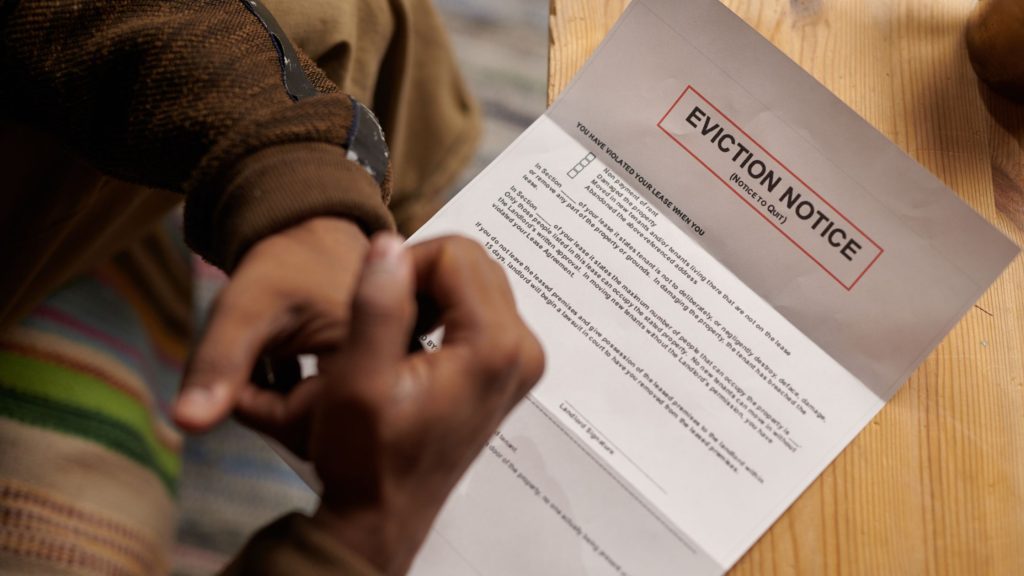
In Shezi v L.V.L & Another (2023), a High Court confronted an eviction application under the PIE Act. The judgment reminds us that eviction is not automatic — notice, opportunity to oppose, and fairness are essential.

Evicting a tenant in South Africa can be a frustrating process, and navigating the legal landscape can be tricky. At Engelsman Magabane Incorporated, we understand the importance of upholding your rights as a landlord. However, it’s crucial to understand that evictions without a court order are extremely limited in South Africa. Here’s a breakdown of the legalities and the importance of following proper procedures:

The landscape of eviction in South Africa has shifted with recent amendments to the Eviction Act. At Engelsman Magabane Incorporated, we understand these changes can be confusing for both landlords and tenants.