Engelsman Magabane Incorporated

Women’s Month, Labour Law & Attorney Profiles

Women in the Workplace: The Law, the Leave, the Labels and the Comments Nobody Asked For
Women’s Month, Labour Law & Attorney Profiles

Women in the Workplace: The Law, the Leave, the Labels and the Comments Nobody Asked For

Women’s Month is a good time to say the important things. Women are powerful.Women are resilient.Women are leaders.Women are building businesses, raising families, running departments, solving crises, answering emails at traffic lights, remembering everyone’s birthdays, and still somehow being asked who will take minutes in the meeting. Again. Because apparently “excellent organisational skills” is sometimes just corporate code for “please do the unpaid admin nobody else wants to touch”. This blog is about women in the workplace — not in the soft-focus, inspirational-music, “she believed she could so she did” kind of way. Those posts have their place. Usually next to a stock photo of a woman holding a laptop in a field for reasons nobody can explain. This one is about the law. The real rights.The awkward conversations.The pregnancy assumptions.The maternity leave confusion.The “we were just joking” comments.The workplace policies that should exist before the WhatsApp screenshots start travelling faster than the office Wi-Fi. Because women’s rights at work are not a theme for August. They are legal obligations all year round. And no, a cupcake in the boardroom does not count as compliance. Equality is not a motivational quote In South Africa, equality is not just something printed on a poster in reception where everyone walks past it on the way to the kettle. Equality is a constitutional value and a legal right. South African law recognises that people should not be unfairly discriminated against on grounds such as gender, sex, pregnancy, marital status and other listed grounds. In workplace terms, that matters. It means an employer cannot simply hide behind “business reasons” when a decision is actually influenced by assumptions about women, pregnancy, family responsibility, age, appearance, marital status or whether someone is “too ambitious”. Translation: “She might start a family soon” is not a recruitment strategy. It is a legal headache wearing perfume. It also means that workplace policies and practices must be fair. Recruitment, promotion, pay, training, benefits, discipline, dismissal and workplace culture all matter. Discrimination is not only a problem when someone says the quiet part out loud. Sometimes discrimination is built into patterns. Who gets promoted?Who gets interrupted?Who gets asked to make tea?Who gets called “assertive” and who gets called “difficult”?Who gets leadership opportunities and who gets “maybe next year”? The law may not police every raised eyebrow in a meeting, but it does care about unfair treatment. Pregnancy is not poor planning Let us begin with a sentence that should not need saying, but here we are: Pregnancy is not misconduct. It is not poor performance.It is not “letting the team down”.It is not an inconvenience that can be managed by sighing loudly near the printer. South African labour law protects pregnant employees. A pregnant employee is entitled to maternity leave, and pregnancy should not be used as a reason to treat someone unfairly, deny opportunities, reduce dignity, or quietly push them out of the workplace. The Basic Conditions of Employment Act provides that an employee is entitled to at least four consecutive months’ maternity leave. That is the statutory minimum. Some employers provide more favourable benefits through contracts or policies, but the legal floor is four months. The BCEA also deals with timing. An employee may usually start maternity leave from four weeks before the expected date of birth, unless otherwise agreed or unless a medical practitioner or midwife certifies that it is necessary to start earlier. After birth, the employee may not return to work for six weeks unless medically cleared. This is where employers should avoid becoming amateur gynaecologists in formal shoes. If a pregnant employee says there are medical considerations, the correct response is not workplace speculation. It is documentation, fairness and proper process. Maternity leave is leave, not disappearance Some workplaces treat maternity leave like the employee has entered witness protection. Suddenly she is not invited to anything.Nobody updates her.Her role quietly changes.Her opportunities evaporate.Her name disappears from the project list like a magician with a labour dispute. Maternity leave does not mean the employee has resigned from relevance. Employers should manage maternity leave properly: communicate clearly, plan fairly, protect the role, manage temporary cover, and make sure the employee is not penalised for exercising a legal right. A pregnant employee should not return from maternity leave to discover that her position has been “restructured” in the mysterious way that only affects her, her salary prospects, her client base, her office chair and her will to live. If operational changes genuinely arise, they must still be handled lawfully. Pregnancy and maternity leave cannot be used as a convenient window to push someone aside. Paid or unpaid? The question everyone asks quietly Here is one of the big practical issues. The BCEA provides the right to maternity leave, but it does not automatically require the employer to pay full salary during that leave. Payment depends on the employment contract, workplace policy, collective agreement or employer benefit structure. However, eligible employees who contribute to UIF may apply for maternity benefits if they receive less than their normal wages while on maternity leave. UIF is not a luxury spa voucher. It is there to provide statutory support when income is reduced during maternity leave. This is where good HR administration matters. Employees should understand what their contract and policy say. Employers should explain benefits properly. Nobody should be discovering the maternity-pay position two weeks before leave starts, while holding a doctor’s note in one hand and rage in the other. Pregnancy questions in interviews: the awkward Olympics Few things say “legal risk” quite like asking a female candidate whether she plans to have children. It may be wrapped in softer packaging: “Do you see yourself settling down soon?”“Any plans that might affect availability?”“This role is demanding; do you have family responsibilities?”“We just need to know whether you can commit.” Lovely. Also risky. Recruitment decisions should be based on the role, the candidate’s qualifications, experience, ability and lawful requirements of the position. They should not be based on whether someone

Women’s Month, Labour Law & Attorney Profiles

Beyond the Brief: Tasneem Mahomed on Law, Confidence, Coffee and Finding the Deal Nobody Else Can

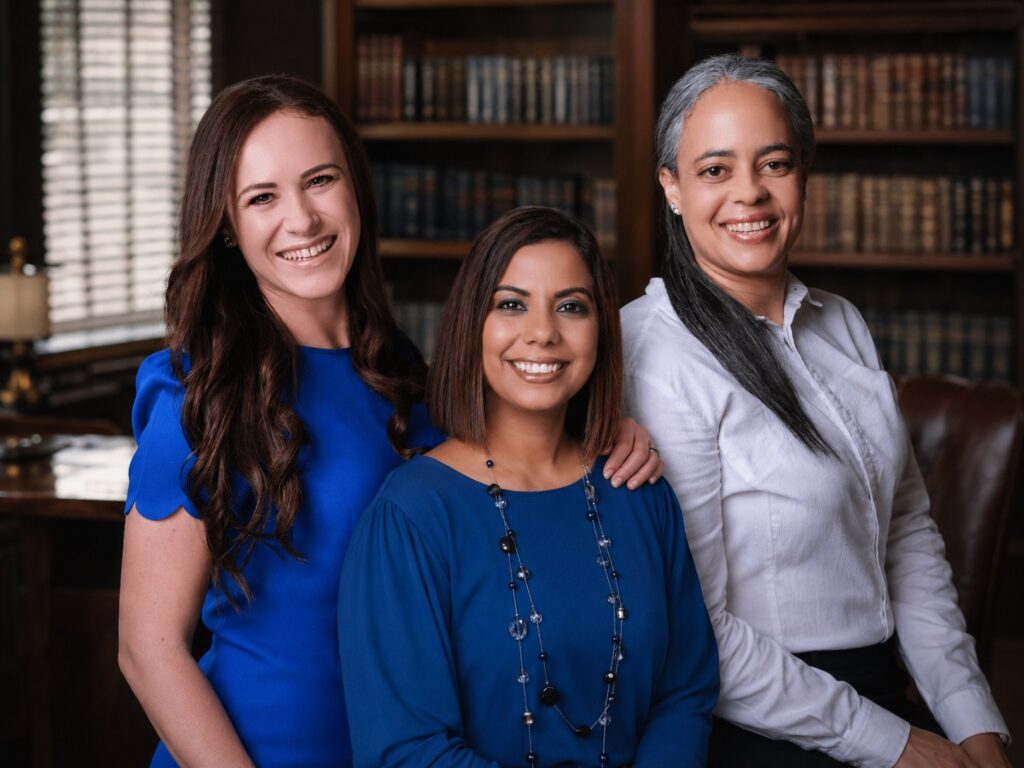
Women’s Month often arrives with the usual predictable words: strength, resilience, empowerment, leadership. All important. All true. But also, let’s be honest, sometimes repeated so often that they start sounding like the opening line of a corporate email nobody quite remembers approving. So, this Women’s Month, we are doing something slightly different. Instead of only speaking about women in the abstract, we are speaking to the women behind the work — the professionals who sit across from clients, solve problems, manage pressure, carry responsibility, and still somehow remember where they saw that sold-out item online for 30% less. Because women in law are not one-dimensional. They are not walking court files. They are not only titles, qualifications and practice areas. They are strategists, negotiators, listeners, mentors, mothers, sisters, daughters, friends, food lovers, travellers, deal-finders, football fans, early risers and occasional TikTok researchers. And yes, they also know exactly when something needs to be put in writing. The legal backdrop: women’s rights are not a “nice idea” Before we get to the lighter side of this profile, it is worth remembering why Women’s Month still matters from a legal perspective. In South Africa, equality is not a motivational poster. It is a constitutional value and a legal right. The law recognises that dignity, equality and fair treatment are not extras that employers, businesses or institutions can offer when convenient. They form part of the framework that should shape how people are treated in workplaces, in business, in families and in society. In the workplace, this becomes especially important. Women should not have to earn respect twice: once by doing the work, and again by proving they deserve to be taken seriously while doing it. Yet many women still face assumptions about leadership, family responsibility, pregnancy, ambition, authority and confidence. Sometimes discrimination is obvious. Sometimes it arrives wearing a polite smile and using words like “culture fit”, “not the right time”, “too emotional”, “too assertive”, or “we just thought you might not want the opportunity”. The law does not fix every uncomfortable workplace moment automatically. But it does provide tools. Employees have rights. Employers have duties. Unfair discrimination, harassment, and unequal treatment are not just HR inconveniences — they can become legal issues. That is why preventative legal advice matters. Not only after a dispute has exploded. Not only when the resignation letter has already been typed. Not only when the WhatsApp screenshots are being forwarded with the words: “Can you believe this?” Good legal advice often works best before everything goes wrong. Why this profile matters When clients consult an attorney, they often arrive with more than a legal issue. They arrive with uncertainty, stress, deadlines, risk, conflict or the fear that they may make the wrong decision. The attorney’s role is not only to interpret the law. It is to help people understand their options, make informed choices and move through complicated moments with clarity. That is exactly why we asked Tasneem Mahomed to answer a few questions beyond the usual professional biography. Because sometimes the most important thing to know about a lawyer is not only what area of law they practise in. It is how they think, what they value, what they notice, and whether they understand that people need practical answers — not a lecture in Latin. So here is Tasneem, beyond the brief. Beyond the Brief: Tasneem Mahomed Why did you choose law? I’ve always been drawn to helping people find solutions. Law isn’t just about legislation, it’s about people. I love that every day brings a new challenge and an opportunity to guide someone through one of the biggest moments of their life. What inspires you? Resilient people. Women who quietly build incredible lives. Beautiful spaces. Great food. Travel. And the idea that you’re never too old to learn something new. What is your area of expertise? My practice focuses on conveyancing, civil litigation, labour law and notarial practice. I enjoy finding practical solutions to complicated problems — and I’m a firm believer that good legal advice can change someone’s future. One lesson you’ve learnt in practice? People may forget the legal jargon, but they’ll always remember how you made them feel. The law is important, but empathy is unforgettable. One piece of advice for young women? Don’t wait for permission. Apply.Start.Speak up.Back yourself. The confidence you’re looking for usually comes after you’ve taken the leap. Law, empathy and the myth of the “cold” attorney There is a strange myth that legal professionals must be detached to be effective. Serious. Untouchable. Slightly intimidating. Preferably surrounded by heavy books and a facial expression that says, “I bill in six-minute units.” But the best legal work is rarely cold. It is focused, yes. Strategic, yes. Professional, absolutely. But cold? Not necessarily. Tasneem’s answer about empathy is important because clients often remember how they felt in the room. Did someone listen? Did someone explain? Did someone make the process feel manageable? Did someone give them enough clarity to breathe again? Legal outcomes matter. But the client experience matters too. This is particularly important for women seeking legal advice. Whether the issue is employment-related, property-related, family-related, commercial, contractual or personal, many women delay getting help because they worry they are “overreacting” or because they have been taught to first endure, smooth things over, wait it out or handle everything quietly. There is nothing dramatic about asking for advice early. Sometimes it is the most practical thing a person can do. Three things about Tasneem I became a lawyer because… I’ve always believed that knowledge is powerful — but using it to help someone else is even more powerful. The best advice I’ve ever received is… “Bloom wildly, even where you weren’t planted.” Life rarely goes exactly according to plan, but sometimes the unexpected places are where we grow the most. If I wasn’t a lawyer, I’d probably be… A chef or a journalist. One lets me tell stories.The other lets me feed people. Both make people happy in

Scroll to Top